You already know this feeling.
You’ve carved out study time. You sit down, open your laptop or notes… and nothing happens. Your brain stalls. Suddenly, everything else feels more urgent: checking your phone, refilling your water, reorganizing your bookshelf by spine color.
The session is over before it begins.
This is the trap: most people think procrastination is a character flaw. But in reality, it’s not about laziness. It’s about inertia.
And the solution isn’t motivation.
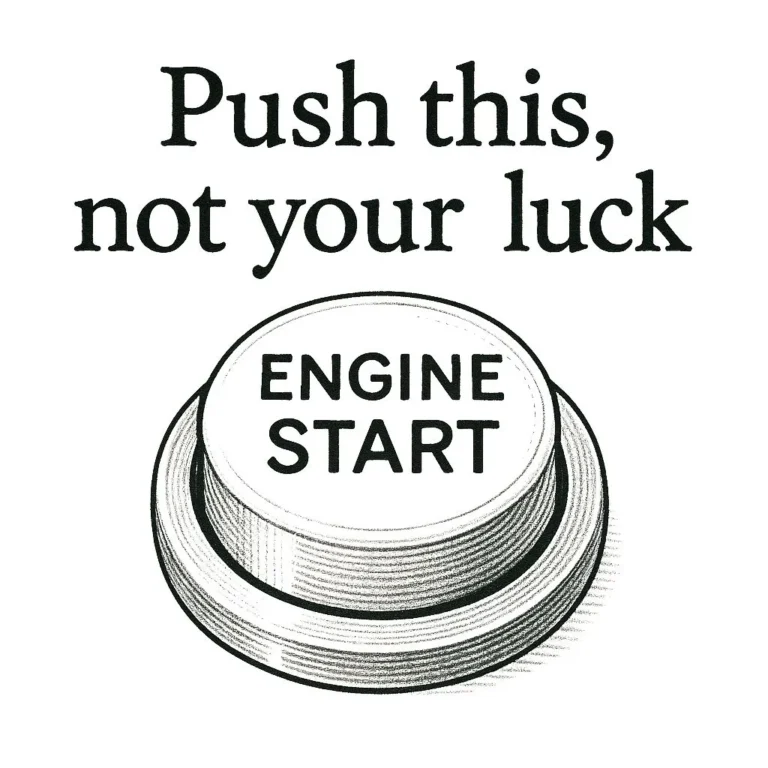
It’s ignition.

What Happens in That 30-Second Window
The first 30 seconds of a study session are the most critical.
That’s when your brain is scanning for cues:
“Is this hard?”
“Is this important?”
“Do we really have to do this right now?”
If those first 30 seconds feel heavy, confusing, or punishing — your mental engine floods. You stall before you even leave the driveway.
But here’s the trick: you don’t need to feel ready. You just need to fire the engine.
That’s what a 30-second self-reset does. It flips your brain from hesitation to motion. And once you’re in motion, momentum takes over.
The Mechanics of a Reset
A 30-second reset is a deliberate shift from mental friction to frictionless action.
Here’s how it works:
Name the resistance.
Say it aloud or in your mind: “I don’t want to do this because it feels too big,” or “I feel overwhelmed.”Pick the tiniest possible starting move.
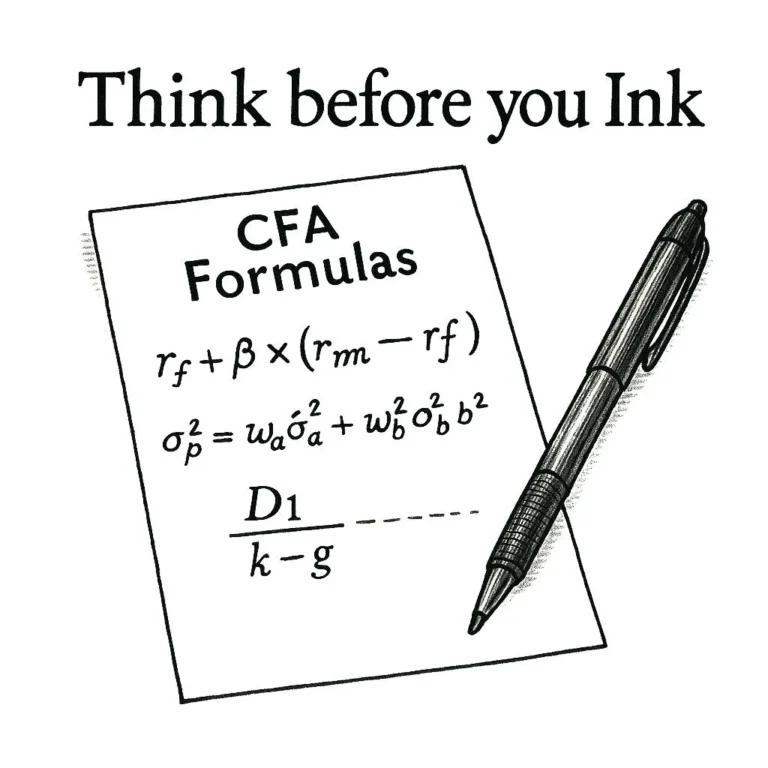
Not “read the whole chapter.” Just “open the reading and copy the first formula.”Reframe the goal.
The goal is not to complete a session. The goal is to start — with clarity and minimal resistance.Act immediately.
Open the book. Write a word. Solve one question. You’re not committing to hours. Just a spark.

Why This Works (Even If You Don’t Feel It)
Cognitive scientists call this the “activation energy” principle. Like a chemical reaction, a study session requires a small input of energy to get started — after which it sustains itself.
James Clear writes about the 2-Minute Rule for habit formation: if you can make the first two minutes effortless, the habit becomes automatic. That’s not psychological fluff — it’s grounded in how the brain conserves energy and defaults to inertia unless nudged.
Think about it: when was the last time you started studying and didn’t end up doing more than you planned?
It’s almost always the start that’s the hardest part.
The Real Win: Identity, Not Progress
This approach isn’t just about checking off today’s study session. It’s about telling your brain: I am someone who starts.
Every time you push through hesitation with a 30-second reset, you reinforce an identity of consistency and discipline.
And that’s what matters in the long run.
Not motivation. Not hype.
Just reliable ignition, every single day.
Your Action Plan: Build a Reset Ritual
Create a personal ignition plan you can execute in less than a minute:
Starting phrase: “Start small. Start now.”
Starting move: e.g. open Reading 12 and copy one LOS by hand
Trigger rule: Whenever you feel study resistance, initiate the plan
Write it down. Post it near your desk. The fewer decisions you need to make, the faster you’ll reset.
Final Thoughts
The best CFA candidates aren’t superhuman.
They just know how to start — especially when they don’t feel like it.
They’ve learned how to shrink resistance until it breaks. They don’t wait for motivation. They build ignition systems.
Next time you stall?
Don’t overthink it. Don’t beat yourself up.
Take 30 seconds. Reset.
And just start.