
Every CFA candidate knows that procrastination wastes time.
But time loss is just the surface.
The real damage runs deeper.
Procrastination drains momentum.
It breaks rhythm.
It slowly erodes confidence.
It creates anxiety that compounds with every delay.
This is not a minor flaw.
This is a structural weakness that can cost you the exam.
Procrastination Isn’t Laziness
Most candidates don’t procrastinate because they’re lazy.
They procrastinate because they hit resistance.
They open the book.
They glance at the reading.
They feel overwhelmed.
So they scroll. They snack. They say, “I’ll start later.”
This is not a motivation problem.
It’s a system failure.
The ignition doesn’t fire.
And the longer you wait, the harder it gets to start.
What Procrastination Really Costs
1. It drains energy.
The task grows heavier the longer you avoid it.
Mental weight increases. The dread builds.
Eventually, starting feels impossible.
2. It breaks rhythm.
Studying is like running an engine.
Momentum matters.
Once it stops, restarting burns more fuel than just staying in motion.
3. It erodes confidence.
You know what you should be doing.
But you’re not doing it.
That gap turns into guilt.
Guilt turns into self-doubt.
4. It triggers panic cycles.
When the deadline looms, you rush.
You cram.
You cut corners.
You feel exhausted and underprepared—and the cycle repeats.
Why This Hits CFA Candidates Harder
The CFA exams are not short sprints.
They are long, demanding campaigns.
Preparation takes months—sometimes over a year.
In that time, your habits either build strength… or accumulate weakness.
The curriculum is broad. The pass rate is low.
You cannot afford erratic effort.
You need rhythm. You need reliability.
You need an engine that starts when you tell it to.
How to Break the Pattern
Don’t wait for motivation.
Don’t try to will yourself through the resistance.
Instead try these…
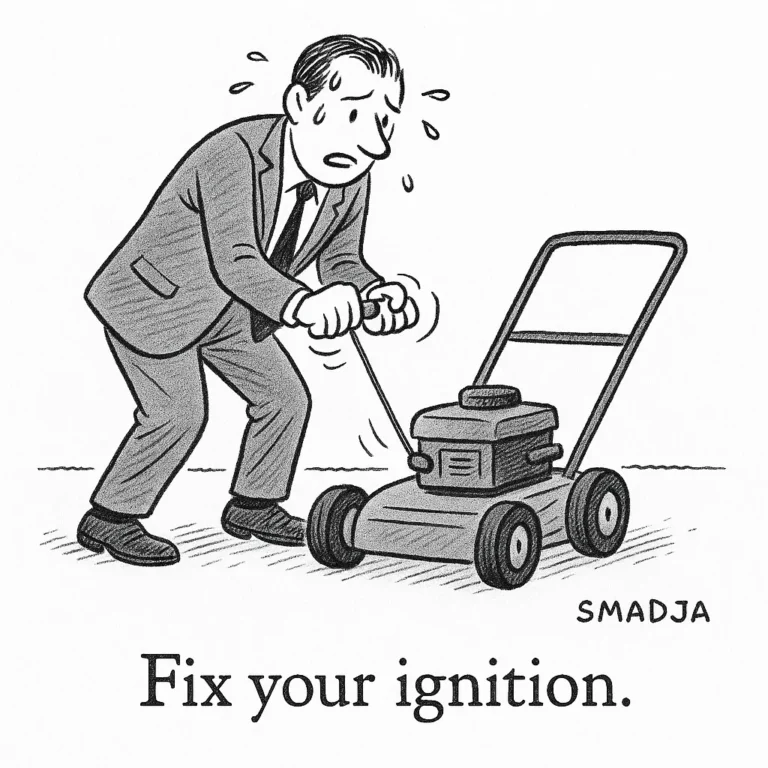
Fix Your Ignition
Decide your starting point in advance. Keep it small.
Open the reading. Rewrite one formula. Start the first question.
Case Study
Candidate: CFA Level II, working in corporate banking
Problem: Blank-page syndrome. Study sessions often started 20–30 minutes late.
Solution: Pre-set ignition task
Case Study:
When Junaid* came to me, he had a serious inertia problem. He blocked off two hours every evening to study, but the first 30 minutes would vanish in low-level avoidance: WhatsApp, tidying his desk, refilling water, etc (anything but studying).
He wasn’t lazy. He just didn’t know how to start.
We created a simple ignition plan. At the end of every session, he wrote down exactly how he would begin the next one. Not a vague “continue Reading 12”, but a concrete action like:
“Open Reading 12. Recopy the 3 core formulas. Explain each in my own words.”
The result? He started his next sessions in under 60 seconds. No friction. No wandering. Once the engine turned over, the rest of the session flowed naturally.
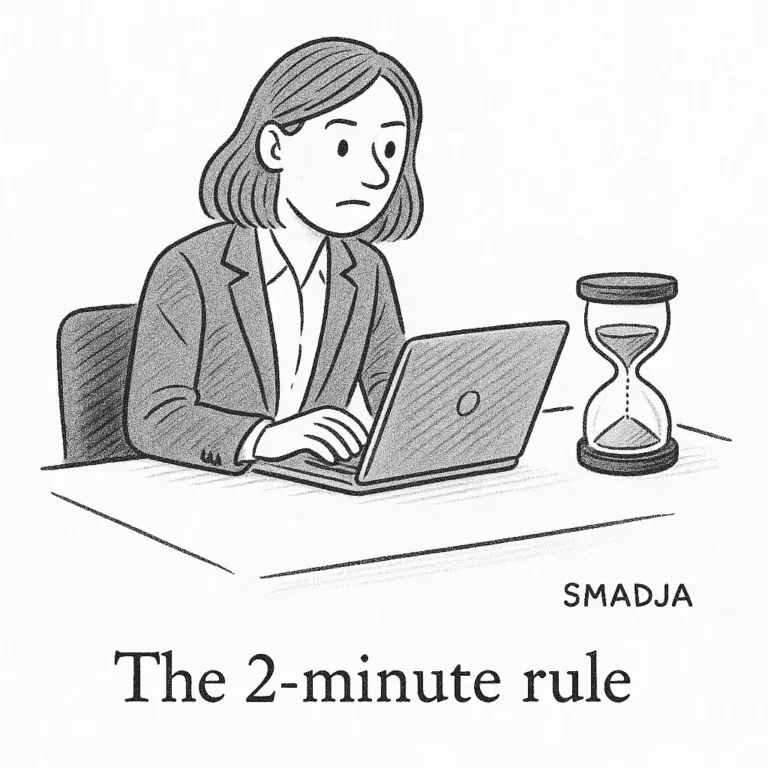
Use the 2-Minute Rule
Commit to just two minutes.
If you want to stop after that, you can.
You usually won’t.
Case Study
Candidate: Tasha*, CFA Level I, working full-time at a fintech startup
Problem: Chronic evening fatigue and skipped study sessions
Solution: 2-minute rule with non-negotiable micro-start
Case Study:
Tasha’s work schedule was brutal. Long startup hours, constant Slack pings, late dinners. Her plan was to study from 8:30–10:30 PM, but most nights, she skipped entirely. She told herself, “I’ll make it up tomorrow.” Tomorrow never came.
We added one rule: she had to sit down at her desk at 8:30, open her book, and study for just two minutes. That was it.
At first, she laughed. “That’s barely anything.” But she committed anyway.
Here’s what happened:
On most nights, she ended up studying for 40–60 minutes. Some nights, even the full two hours. The trick wasn’t doing more. The trick was starting.
The 2-minute rule broke the resistance. She stopped skipping. She rebuilt her rhythm.
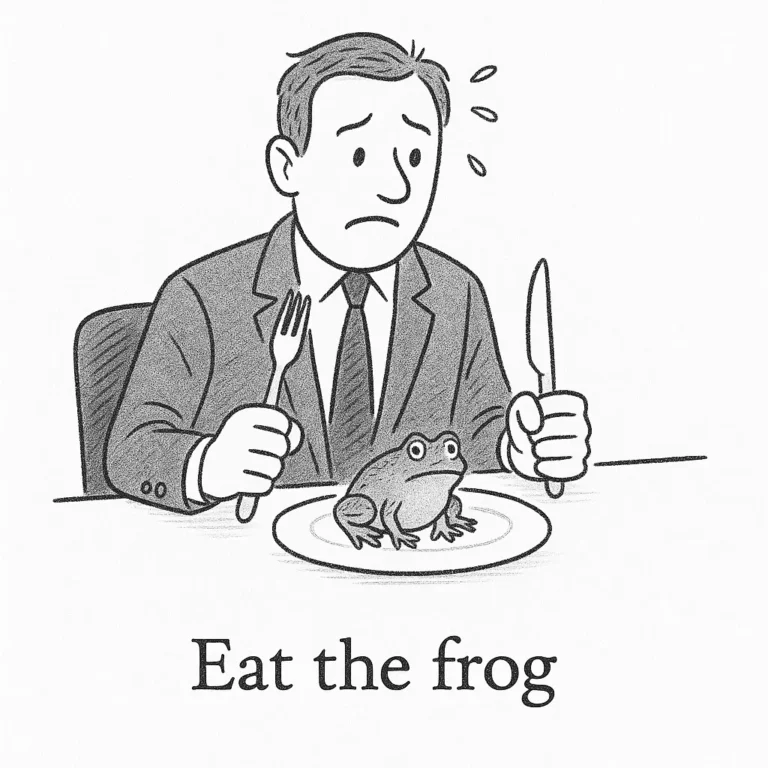
Eat the Frog
Begin each session with the topic you dread most.
Get the resistance out of the way early.
Use that early win to create momentum.
Case Study
Candidate: Craig, CFA Level III, portfolio manager with 2 kids
Problem: Always avoiding GIPS and derivatives
Solution: Start sessions with the hardest material
Case Study:
Craig* was strong across most of the curriculum, but he always dodged two areas: GIPS and anything derivatives related. Every week, he’d say, “I’ll circle back to those later.” Later never came.
We ran a simple experiment: for 10 days straight, he had to start each session with 20 minutes of either GIPS or derivatives. No exceptions. After that, he could switch to whatever he wanted.
Within the first week, something changed. “It’s weird,” he told me. “Those sections don’t feel as heavy anymore.” He realized the real weight wasn’t the content – it was the avoidance. Eating the frog early cleared the mental runway.
He passed Level III that year. And in his feedback survey, he said, “Starting with what I hate saved my entire prep.”
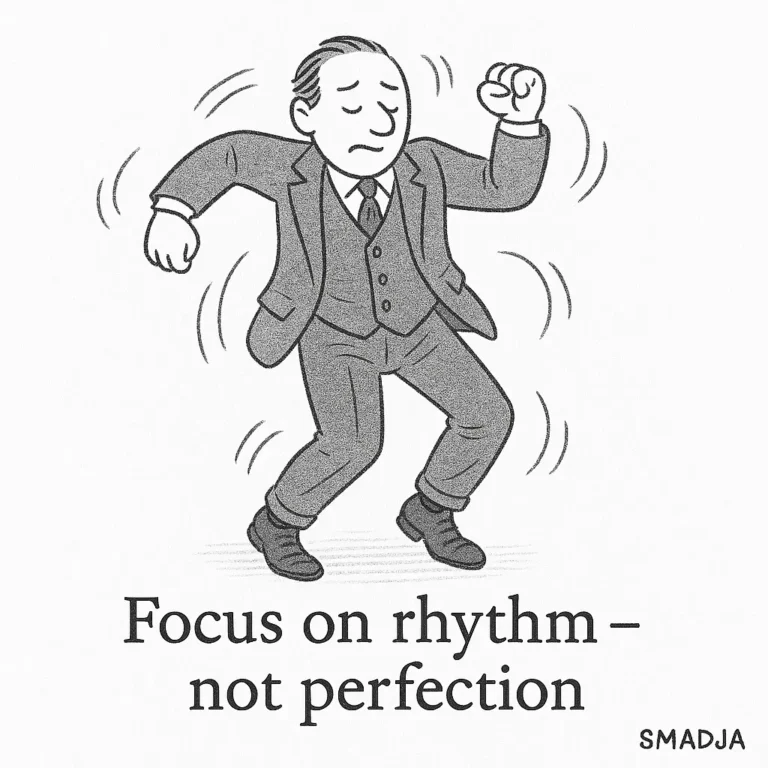
Focus on Rhythm, not Perfection
Show up every day.
Even if it’s short. Even if it’s messy.
The goal is motion, not magic.
Case Study
Candidate: Ana*, CFA Level I, former academic and perfectionist
Problem: Obsessed with covering topics “properly”; paralyzed if she couldn’t go deep
Solution: Minimum effective dose + streak tracking
Case Study:
Ana came from an academic background. She wanted to understand everything completely. If she couldn’t fully grasp a concept, she’d stop. She’d rewrite notes. She’d spiral.
I explained to her that it was better to complete 100% of the curriculum with 80% understanding, than 80% of the curriculum with 100% understanding. While she intellectually understood that her perfection was getting in the way of progress, she remained stuck and unable to effect change.
So we made one change: she had to show up every day – and work for at least 30 minutes on new material. No excuses. No deep dives. No looking backwards. Just motion and momentum.
She could go back and fill in the gaps later, but for 30 minutes it was about moving the ball forward.
We tracked her study streak on a calendar. 17 days, then 23 days, then 45. The pressure to not break the chain created consistency. Once the ‘snowball’ began rolling, it created its own momentum.
Ana told me later: “Focusing on rhythm over perfection freed me. I stopped judging myself and started progressing.”
Final Thoughts
Procrastination doesn’t just waste time.
It creates hidden costs that grow quietly in the background.
But momentum works the same way.
Every small start builds confidence.
Every study session you complete strengthens the system.
You don’t need perfect conditions.
You don’t need to feel ready.
You need to start the engine—today.
* names have been changed